Cybersecurity Tools: 10 Best AI-Powered Security Solutions for Businesses in 2026


Cyber threats are becoming more sophisticated as businesses increasingly depend on websites, cloud applications, digital payments, customer databases, and remote working systems. Small companies are particularly vulnerable because they often operate with limited IT budgets and may not have dedicated cybersecurity professionals. A single phishing email, stolen password, ransomware infection, or exposed customer database can interrupt operations and damage business reputation.
This is where modern cybersecurity tools become essential. Artificial intelligence is changing how organizations identify suspicious activity, investigate potential attacks, detect malware, and respond to security incidents. Instead of relying entirely on traditional security rules, AI-powered systems can analyze patterns, recognize unusual behavior, and help security teams prioritize potential threats. However, not every product advertised as an AI security solution provides the same protection. Businesses need to understand what each platform actually does before investing in it.
This guide explores 10 cybersecurity tools and AI-powered security solutions, explains their main capabilities, compares their practical applications, and helps businesses choose suitable protection for their digital environments. It also examines how artificial intelligence supports cyber security and why combining multiple security layers is important for protecting modern organizations.
What Are Cybersecurity Tools?
Cybersecurity tools are software applications and platforms designed to protect computers, networks, applications, cloud environments, and business information from digital attacks. They help organizations prevent unauthorized access, detect suspicious behavior, investigate security incidents, and reduce the damage caused by cyber threats. Depending on their purpose, these solutions may include antivirus software, endpoint protection, firewalls, email security, identity management, vulnerability scanning, and network monitoring.
Modern cybersecurity tools increasingly incorporate artificial intelligence and machine learning to improve threat detection. These technologies can examine large amounts of security information, recognize unusual patterns, and identify activity that may indicate an attack. For example, a security platform might detect an employee account suddenly accessing unusual files or a computer communicating with a suspicious external server. Such activity can be investigated before it develops into a more serious incident.
How Artificial Intelligence Is Changing Cyber Security
Artificial intelligence is transforming cyber security by helping security systems process information and identify suspicious activity more efficiently. Traditional security software often relies heavily on known malware signatures and predefined detection rules. Although these methods remain useful, they may struggle with unfamiliar threats, rapidly changing attack techniques, and unusual behavior that does not match existing patterns.
AI-powered security systems can analyze behavioral information, compare activity against expected patterns, and help security professionals investigate unusual events. Machine learning models can support malware detection, identify potentially compromised accounts, and recognize suspicious network activity. Some advanced platforms also use generative AI assistants to summarize security alerts, explain technical findings, and help analysts investigate incidents using natural-language questions.
However, artificial intelligence is not a complete replacement for cybersecurity professionals. AI systems can generate false alerts, overlook certain threats, or make incorrect recommendations. Human review, accurate security configurations, software updates, and reliable incident response procedures remain essential. Businesses should treat AI as an additional security capability rather than a guarantee against cyber attacks.
10 Best AI-Powered Cybersecurity Tools for Businesses
Different security platforms protect different parts of a business environment. Some focus on computers and servers, while others specialize in networks, cloud infrastructure, email, or the safe use of generative AI. The following cybersecurity tools represent different security approaches and business requirements rather than a universal ranking.
Microsoft Defender for Business
Microsoft Defender for Business is an endpoint security solution designed for small and medium-sized organizations. It helps protect business computers and supported devices through threat detection, attack surface reduction, automated investigation, and remediation capabilities. Its integration with the wider Microsoft security ecosystem can make it particularly relevant for companies already using Microsoft 365.
One important advantage is its focus on smaller organizations that may not have extensive security teams. Administrators can manage device protection centrally and investigate potential threats through a security dashboard. Businesses should check operating system compatibility, licensing requirements, and the features included in their Microsoft subscription before deployment.
Best for: Small businesses using Microsoft 365 that need centrally managed endpoint protection.
Official website: https://www.microsoft.com/en-us/security/business/endpoint-security/microsoft-defender-business
Bitdefender GravityZone
Bitdefender GravityZone provides cybersecurity capabilities across endpoint protection, detection, response, and other security areas. Its platform is designed to help organizations manage multiple security requirements through a centralized environment. Depending on the selected products and configuration, businesses can use it to support malware protection, threat detection, and incident response.
For smaller organizations, centralized management can simplify security administration across multiple computers and business devices. Its wider platform also offers options for organizations that need additional protection as their infrastructure expands. Before purchasing, businesses should compare available editions, supported devices, deployment requirements, and included security services.
Best for: Businesses looking for centralized endpoint protection with options for broader security coverage.
Official website: https://www.bitdefender.com/en-us/business/gravityzone-platform/
CrowdStrike Falcon
CrowdStrike Falcon is a cloud-based cybersecurity platform focused on endpoint protection, detection, investigation, and response. Its security capabilities include behavioral detection and threat intelligence, while Charlotte AI provides AI-assisted investigation and security operations capabilities for supported Falcon modules.
The platform can help security teams investigate suspicious activity across endpoints and connected environments. Its AI capabilities are particularly relevant for organizations that need assistance analyzing alerts and understanding potential attacks. However, the available features, modules, and AI credits depend on the subscription and licensing arrangement.
CrowdStrike is generally more suitable for organizations with established IT or security management requirements than for businesses seeking a simple, inexpensive antivirus application.
Best for: Organizations requiring advanced endpoint detection and AI-assisted security investigations.
Official website: https://www.crowdstrike.com/
SentinelOne Singularity
SentinelOne Singularity combines endpoint protection, behavioral AI detection, threat investigation, and automated response capabilities. Its endpoint security platform is designed to identify suspicious activity and help contain threats across supported devices and workloads.
One of its notable features is Purple AI, an AI security analyst that can assist with investigations using security telemetry and natural-language queries. This can help analysts understand alerts and investigate suspicious events without manually examining every piece of information. Certain response and automation capabilities depend on the selected platform components and configuration.
Businesses should evaluate endpoint coverage, management requirements, integrations, and licensing before selecting this solution. Smaller organizations without dedicated IT personnel may also need professional support during deployment.
Best for: Organizations that want advanced endpoint protection and AI-assisted threat investigations.
Official website: https://www.sentinelone.com/platform/
Sophos Endpoint
Sophos Endpoint provides endpoint protection capabilities designed to defend business devices against malware, ransomware, and other threats. Its security approach includes machine learning, behavioral detection, and additional protection technologies depending on the selected product and subscription.
Sophos Central offers centralized management, allowing administrators to monitor protected devices and manage security policies. Businesses can use endpoint protection as part of a broader security strategy that also considers email, network access, and user accounts.
Companies should evaluate supported operating systems, available detection and response features, and the level of managed security assistance included in their chosen package.
Best for: Small and medium-sized organizations looking for managed endpoint security and centralized administration.
Official website: https://www.sophos.com/en-us/products/endpoint-antivirus
Darktrace ActiveAI Security Platform
Darktrace uses artificial intelligence and behavioral analysis to identify unusual activity across areas such as networks, email, cloud environments, identity, and operational technology. Its approach focuses on learning patterns of normal organizational activity and identifying deviations that could indicate suspicious behavior.
Its AI Analyst capabilities can assist with investigating alerts and producing incident information for security teams. This can be particularly useful in environments where threats move across different systems and traditional security tools provide separate views of activity.
Darktrace is a more specialized enterprise-oriented solution, so small companies should assess deployment complexity, available support, and overall costs before considering it. It should not automatically be treated as an affordable replacement for basic endpoint protection.
Best for: Larger organizations that need behavioral threat detection across connected business environments.
Official website: https://www.darktrace.com/platform
Acronis GenAI Protection
Acronis GenAI Protection addresses security risks associated with businesses adopting generative AI applications. Employees may use AI tools to write reports, summarize documents, analyze customer information, and complete everyday work. Without suitable controls, sensitive company information could be entered into unauthorized AI applications or exposed through inappropriate prompts.
Acronis GenAI Protection is designed to help managed service providers govern and secure generative AI usage across customer environments. Its capabilities focus on AI usage visibility, governance, and reducing data exposure risks. It is important to understand that this is a specialized AI-use security solution, not a direct substitute for traditional endpoint antivirus or firewall protection.
Best for: Managed service providers and businesses seeking additional controls over employee generative AI usage.
Official website: https://www.acronis.com/en/resource-center/resource/acronis-genai-protection/
Microsoft Purview
Microsoft Purview provides data governance, information protection, and compliance capabilities within the Microsoft ecosystem. Businesses handling sensitive customer records, financial information, internal documents, and confidential business information can use suitable Purview capabilities to improve data visibility and control.
Its relevance to AI security comes from helping organizations manage sensitive information and apply appropriate data protection policies. Depending on licensing and configuration, organizations can use Microsoft security and compliance capabilities to reduce the risk of inappropriate data exposure through business applications and AI workflows.
However, Microsoft Purview should not be confused with a complete endpoint protection platform. It addresses data protection and governance requirements that complement other cybersecurity tools.
Best for: Organizations using Microsoft services that need stronger data governance and information protection.
Official website: https://www.microsoft.com/en-us/security/business/microsoft-purview
Palo Alto Networks Cortex XDR
Palo Alto Networks Cortex XDR combines security information from different sources to help organizations identify, investigate, and respond to cyber threats. Its capabilities can bring together endpoint, network, and other security information to provide a broader understanding of suspicious activity.
The platform uses analytics and automation to support security operations, while its wider ecosystem includes AI-assisted capabilities. Organizations can use these technologies to prioritize security incidents and investigate activity across connected environments.
Cortex XDR is generally aimed at organizations with more advanced security requirements. Small businesses should evaluate its deployment needs, integration options, and total costs before considering it.
Best for: Organizations with established security operations that need broader detection and response capabilities.
Official website: https://www.paloaltonetworks.com/cortex
Vectra AI
Vectra AI focuses on network detection and response, using artificial intelligence to identify suspicious behavior across networks, cloud environments, and identity systems. Its technology helps security teams identify potentially malicious activity that may be difficult to recognize through traditional rule-based monitoring alone.
Its approach is especially relevant when organizations need visibility into unusual network communications, compromised accounts, or suspicious activity moving across connected systems. Security teams can use its detection information to investigate possible attack paths and prioritize incidents.
Vectra AI is more appropriate for organizations with advanced network security requirements and the resources to manage a dedicated detection and response platform.
Best for: Organizations requiring AI-driven network threat detection and investigation.
Official website: https://www.vectra.ai/
Cybersecurity Tools Comparison: Which Solution Should You Choose?
Selecting the right platform requires understanding what each product protects. An endpoint security product, an AI governance solution, and a network detection platform do not perform identical functions. Businesses should compare their primary capabilities instead of assuming that every AI-powered security product provides complete protection.
| Security solution | Primary focus | Suitable environment |
|---|---|---|
| Microsoft Defender for Business | Endpoint protection | Small and medium businesses |
| Bitdefender GravityZone | Endpoint and broader security | Small and medium businesses |
| CrowdStrike Falcon | Endpoint detection and response | Advanced IT environments |
| SentinelOne Singularity | Behavioral endpoint protection | Growing and larger organizations |
| Sophos Endpoint | Endpoint threat protection | Small and medium businesses |
| Darktrace ActiveAI | Behavioral detection | Enterprise environments |
| Acronis GenAI Protection | Generative AI usage governance | MSPs and their clients |
| Microsoft Purview | Data governance and protection | Microsoft-based organizations |
| Palo Alto Cortex XDR | Extended detection and response | Advanced security operations |
| Vectra AI | Network detection and response | Complex network environments |
This comparison describes each solution’s primary focus, not a complete list of features. Actual capabilities depend on product editions, licensing, integrations, and configuration. Organizations should review current vendor documentation before making purchasing decisions.
Best Cybersecurity Tools for Small Businesses
Small businesses usually need practical protection rather than a complicated collection of enterprise platforms. Their first priority should be securing everyday business devices, email accounts, user identities, websites, and important data. A suitable endpoint security solution can help protect computers from malware, ransomware, and suspicious applications.
Companies already using Microsoft 365 may find Microsoft Defender for Business worth evaluating because of its integration with Microsoft’s business environment. Bitdefender GravityZone and Sophos Endpoint are also options worth comparing for centralized endpoint protection. Businesses that need additional support can investigate managed detection and response services rather than trying to operate advanced security systems without experienced personnel.
Small organizations should also establish essential security practices. These include multi-factor authentication, regular software updates, secure backups, employee awareness training, and restricted access to sensitive files. Combining these controls with appropriate cybersecurity tools provides a more balanced security approach than depending on a single product.
How AI Security Tools Detect Modern Cyber Threats
AI security tools can analyze large amounts of information from endpoints, networks, user accounts, and cloud applications. They look for patterns that may indicate malicious activity, unusual login behavior, unauthorized data transfers, or suspicious software execution. This helps security teams identify potential problems that might otherwise remain unnoticed.
AI-Powered Malware Detection
Traditional antivirus systems often use known malware signatures to identify harmful files. AI-assisted detection can add behavioral analysis by examining what an application does when it runs. For example, software attempting to encrypt large numbers of files or make unexpected system changes may trigger additional investigation.
Phishing and Email Threat Detection
Phishing attacks often use convincing messages to persuade employees to reveal passwords, open malicious attachments, or transfer money. Modern email security systems can examine message characteristics, sender behavior, links, and other indicators to identify suspicious communication. AI-assisted analysis can help detect unusual patterns, although employees should still verify unexpected requests independently.
Network Threat Detection
Network monitoring helps organizations understand communication between computers, servers, cloud services, and external systems. AI-based analysis can identify unusual traffic patterns, unexpected connections, or activity that differs from normal network behavior. These findings help security teams investigate potential intrusions and compromised devices.
Automated Security Response
Some advanced platforms can recommend or execute actions when suspicious activity is detected. Depending on configuration, these actions may include isolating a device, blocking a malicious process, disabling a compromised account, or escalating an incident for human review. Automated response should be configured carefully because an incorrect action can interrupt legitimate business operations.
Why Businesses Need Both Traditional and AI-Powered Cyber Security
Artificial intelligence improves several security processes, but it does not eliminate the need for traditional protection. Firewalls, access controls, secure authentication, endpoint protection, backups, and software patching remain important parts of a business security strategy.
AI-powered systems are particularly useful for analyzing behavior and investigating unusual activity. Traditional security controls provide essential prevention and enforcement capabilities. For example, a firewall can restrict unwanted network connections, while an AI-assisted detection platform may help identify suspicious behavior within permitted network traffic.
Businesses should also recognize that attackers can use AI to create more convincing phishing messages, automate reconnaissance, and develop new attack techniques. This makes employee awareness and strong access controls increasingly important. A balanced approach combines prevention, detection, response, and recovery rather than depending on one technology.
How to Choose the Right Cybersecurity Tools for Your Business
Choosing suitable security software starts with understanding what needs protection. A small online store may prioritize customer information, payment systems, website access, and employee computers. A professional services company may focus more heavily on confidential documents, email accounts, and remote access. Different businesses therefore require different combinations of security controls.
Before selecting cybersecurity tools, consider the following factors:
- Business size: Determine how many employees, devices, servers, and applications need protection.
- Security requirements: Identify whether you need endpoint protection, email security, network monitoring, data governance, or AI-specific controls.
- Ease of management: Choose software your team can configure and monitor without unnecessary complexity.
- Integration: Check compatibility with your existing operating systems, cloud applications, identity services, and business software.
- Pricing: Compare licensing, minimum user requirements, additional modules, and support costs.
- Incident response: Understand how alerts are investigated and whether automated or managed response is available.
- Data protection: Review access controls, privacy policies, retention practices, and data handling arrangements.
Businesses should also test suitable products before making a long-term commitment. A demonstration or trial can reveal whether the dashboard is understandable, alerts are useful, and the platform fits existing workflows. For additional guidance on protecting a growing organization, the Cybersecurity and Infrastructure Security Agency (CISA) provides practical security recommendations for businesses and individuals.
Common Cybersecurity Mistakes Businesses Should Avoid
One common mistake is assuming that installing antivirus software provides complete protection. Endpoint security is important, but businesses also need secure passwords, multi-factor authentication, regular updates, data backups, and appropriate access controls. A security product cannot compensate for every weakness in an organization’s technology and procedures.
Another mistake is ignoring employee security awareness. Many attacks begin with an email, fake login page, malicious attachment, or impersonation attempt. Employees should understand how to identify suspicious messages, verify unexpected payment instructions, and report unusual activity.
Businesses should also avoid purchasing AI security products without understanding their actual capabilities. Some solutions focus on securing endpoints, while others specialize in networks, cloud environments, or employee use of generative AI. These products solve different problems, and purchasing the wrong type of software can leave important security gaps.
Finally, organizations should test their backups and incident response procedures. Having a backup is not enough if the files cannot be restored when needed. Regular recovery testing helps businesses understand whether important systems and information can be restored after an incident.
Conclusion
Cybersecurity tools are becoming increasingly important as businesses depend on connected devices, cloud platforms, digital communication, and online customer services. Artificial intelligence is strengthening modern cyber security by helping organizations analyze suspicious activity, recognize unusual behavior, investigate alerts, and respond to potential threats more efficiently.
Solutions such as Microsoft Defender for Business, Bitdefender GravityZone, CrowdStrike Falcon, SentinelOne Singularity, Sophos Endpoint, and Darktrace provide different approaches to threat protection and detection. Specialized products such as Acronis GenAI Protection and Microsoft Purview address additional risks associated with generative AI usage and sensitive business information.
The best solution depends on the size of the organization, its technology environment, available budget, and security requirements. Rather than purchasing software simply because it advertises artificial intelligence, businesses should evaluate its actual protection capabilities, limitations, integrations, and management requirements. Combining suitable cybersecurity tools with employee awareness, strong authentication, regular updates, and tested backups creates a more reliable foundation for protecting business operations in 2026.
Frequently Asked Questions
What are the best cybersecurity tools for small businesses?
Microsoft Defender for Business, Bitdefender GravityZone, and Sophos Endpoint are worth comparing for small-business endpoint protection. The best choice depends on device coverage, budget, and management requirements.
How does AI improve cyber security?
AI can analyze security information, recognize unusual behavior, support malware detection, and help security teams investigate potential threats more efficiently.
Are AI security tools better than traditional antivirus software?
AI-assisted security can provide additional behavioral detection and investigation capabilities, but traditional antivirus and endpoint protection remain important. They serve complementary roles.
Can AI cybersecurity tools protect a business from ransomware?
Some platforms offer ransomware detection, prevention, and response capabilities. However, businesses should also maintain secure backups, update systems, and implement access controls.
Are free cybersecurity tools enough for a small business?
Free tools can provide basic protection, but businesses handling customer information or financial data may need additional endpoint, email, identity, backup, and monitoring controls.

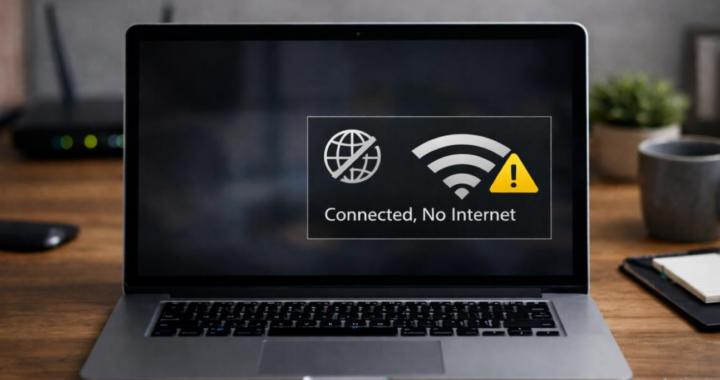
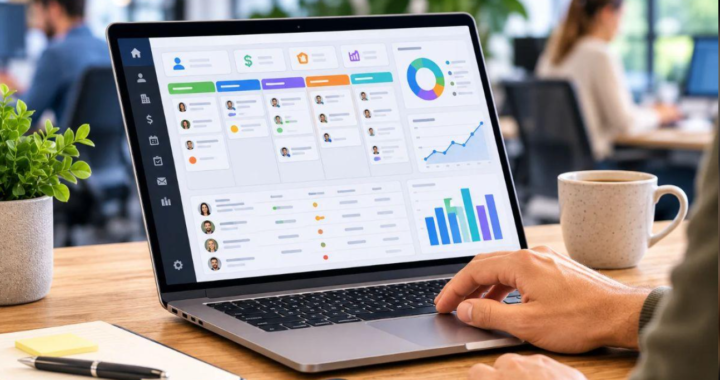
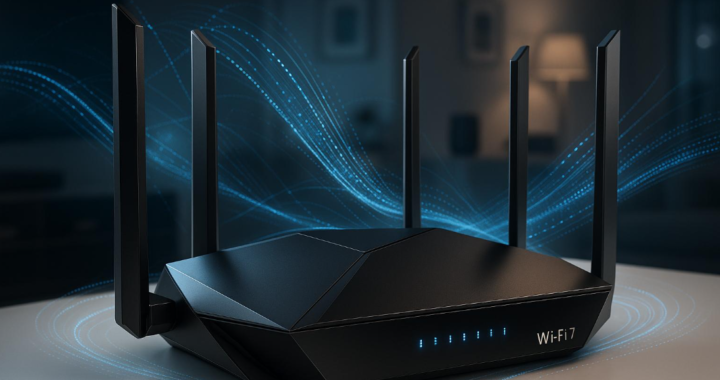
[…] your computer against suspicious connections and potentially harmful websites.Choosing reliable cybersecurity tools can help protect computers against suspicious connections and online […]